Introduction to Best Yoga Retreat in Nepal
Search for the best yoga retreat in Nepal and you will find a wall of glossy photographs: a mat on a terrace, mist on the hills, someone in a quiet pose facing a mountain. All of it looks equally perfect. None of it tells you whether a particular retreat will suit you, whether the teachers are good, what a day actually involves, or what happens if you arrive knowing nothing about yoga.
The honest truth is that there is no single best retreat for everyone. The best retreat for a nervous first-timer is not the best one for a long-time practitioner who wants silence, and neither is the best one for someone who is mainly burned out and needs rest. What there is, instead, is a best fit. This guide helps you find it.
It explains what a retreat is, how the main types differ, what a good programme contains, what to ask before you book, and how to prepare. It also describes, using only what the school itself publishes, the retreat programmes of Nepal Yoga Institute, a yoga school and retreat centre in Kathmandu, so that you can judge one real option against your own checklist.
A quick note on how this guide treats facts. Wherever it mentions Nepal Yoga Institute’s programmes, schedules, deposits or contact details, the information comes from the institute’s own website. Where the website does not publish something, such as a fixed retreat price, this guide says so rather than inventing a number. If a detail matters to your decision, confirm it with the school in writing before you pay anything.
Best Yoga Retreat in Nepal at a Glance
| Question | Short answer |
|---|---|
| What is a yoga retreat? | A stay built around daily yoga, breathing practice, meditation and rest, usually in a quiet setting. It is not a teacher-certification course |
| Is there one “best” retreat? | No. The best retreat is the one that matches your experience level, goals, budget, schedule and comfort needs |
| Do beginners need experience? | Many retreats welcome beginners. Check that the school offers modifications and does not grade or judge |
| Where do most travellers go? | The Kathmandu Valley is the most common base; Pokhara is another popular region |
| What does Nepal Yoga Institute publish? | A Five Days Yoga Retreat Program and a Long Term / Short Term Yoga Retreat Package |
| Does it publish retreat prices? | No. Its retreat pages say prices are calculated on request, depending on duration and group size |
| Published retreat deposit | The FAQ page states retreat packages require 20% of the package price as a deposit, with full payment due on arrival |
| Published teacher training cost | $1,400 total for the 200-hour course, with a $200 non-refundable deposit (a separate programme from retreats) |
| Location | Budhanilkantha-11, Kathmandu, about 22 km from the airport and 24 km from Thamel |
What a Yoga Retreat Actually Is
A yoga retreat is a period of days or weeks set aside to step out of normal routines and live, for a time, around a simple daily rhythm of practice. The core ingredients are almost always the same: physical postures (asana), breathing practices (pranayama), meditation or relaxation, simple meals, and time to rest. Many also add massage or other body treatments, short talks on yoga philosophy, and outings.
It helps to be clear about what a retreat is not. It is not a certification course. A teacher training course involves exams, practice teaching and a longer commitment, while a retreat is restorative and has no grading. It is also not a holiday in the usual sense, because the schedule usually starts early and has real structure, even if the pace is gentle. And it is not a medical treatment. A retreat can reduce stress and give you tools, but it does not replace care from a doctor.
If you want a beginner-friendly overview that looks at retreat types in more depth, Nepal Yoga Institute’s article on yoga retreats in Nepal for beginners is a useful companion to this guide.
Why People Choose Nepal for a Retreat
Nepal combines several things that are hard to find together elsewhere. The country has a long cultural association with yoga, meditation and spiritual practice. The Kathmandu Valley holds an exceptional concentration of heritage: UNESCO inscribed the valley as a World Heritage Site in 1979, and the UNESCO listing names seven monument zones, including the stupas of Swayambhu and Bauddhanath and the Hindu complex at Pashupati. Beyond the valley lie hills, forests and, on clear days, views of the Himalaya.
For many retreat-goers, the appeal is not any single attraction but the contrast. A few kilometres from busy streets, you can be in a quiet green setting where your phone matters less and your breathing matters more. Nepal’s food culture also lends itself to simple vegetarian meals, and many retreats serve sattvic food, meaning fresh, simple, plant-based cooking.
There is also a practical reason. Because Nepal has a mature yoga-teaching sector, you can find schools with experienced teachers and established routines rather than improvised programmes. That does not mean every retreat is excellent, which is why the checklist later in this guide matters.
Types of Yoga Retreat in Nepal
Retreats differ more in focus than in setting. Here are the main types you will meet when comparing options.
| Type | What it usually involves | Who it suits |
|---|---|---|
| Short escape (2 to 3 days) | Light practice, rest, perhaps one outing | People testing the idea or short on time |
| Standard wellness retreat (about 5 to 7 days) | Yoga and meditation twice daily, simple meals, body treatments, a day out | Most first-time retreat-goers |
| Detox or Ayurveda-focused retreat | Lighter diet, herbal or oil treatments, steam or sauna sessions with yoga | People drawn to traditional body care |
| Silent or meditation-focused retreat | Extended quiet, longer sitting practice, gentler movement | Those who already know they enjoy stillness |
| Retreat plus trekking | Yoga alongside guided hiking | Active travellers |
| Long-term or custom stay | A personalised pace over two weeks or more | Those wanting a deeper reset |
For most beginners, a stay of roughly five days is a good starting point: long enough to settle into the rhythm, short enough not to feel overwhelming. Nepal Yoga Institute’s own flagship retreat is a five-day programme, described in detail below.
What a Good Retreat Day Looks Like
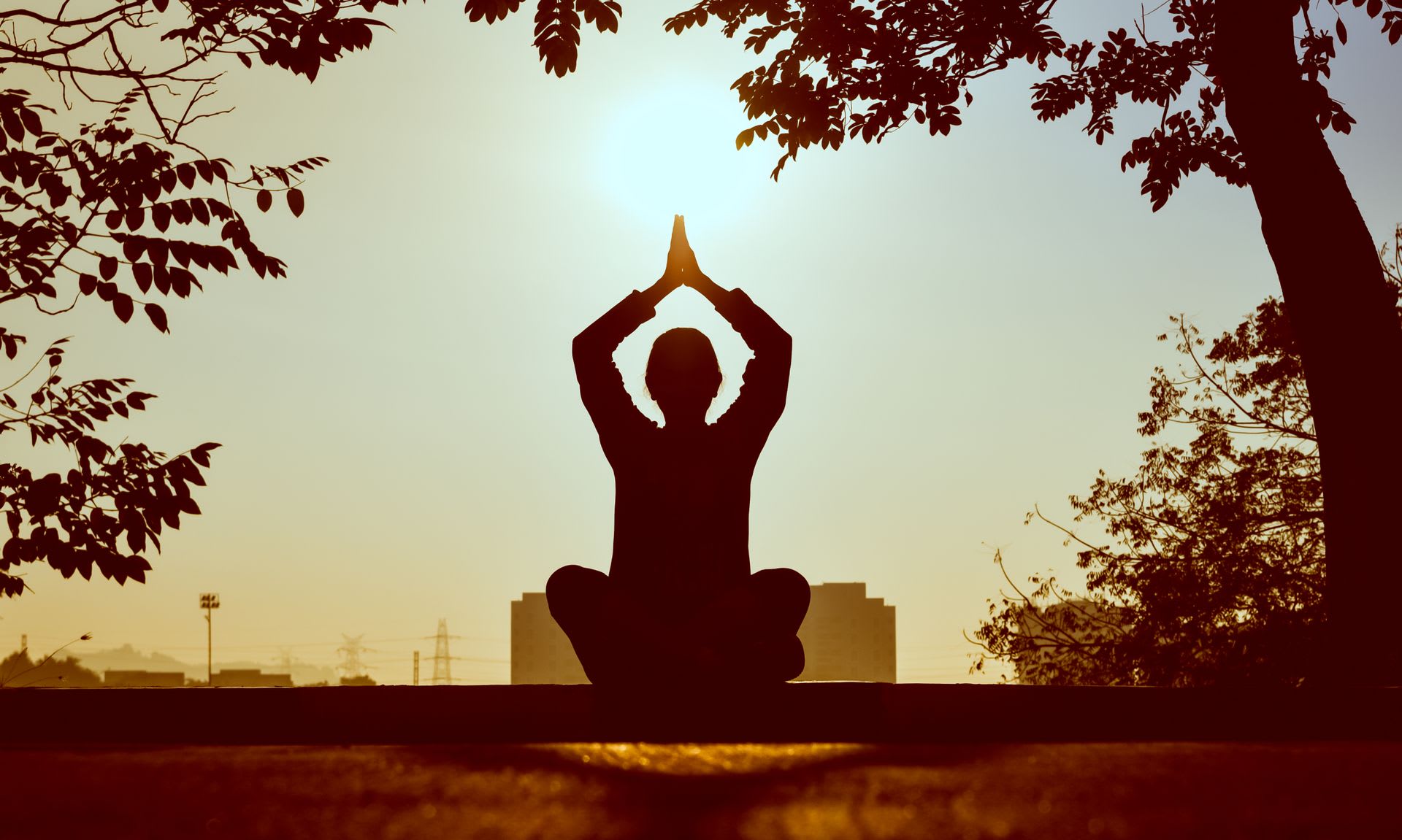
Retreat days follow a pattern. A typical day starts early, often with a warm drink and gentle breathing, moves to a morning asana session, breaks for breakfast and rest, and then builds toward a second practice in the afternoon or evening. The middle of the day is usually protected for rest, treatments or free time, because the body integrates practice during rest.
Be wary of programmes that fill every hour. A retreat with no space is an intensive course, not a retreat. Equally, be wary of schedules that are vague. A good school can tell you what a typical day contains.
Nepal Yoga Institute: What It Publishes About Its Retreats
Nepal Yoga Institute (published on its site as Nepal Yoga Institute and Retreat) is a yoga school and retreat centre based at Budhanilkantha-11, Kathmandu. Its own pages place it in the Kathmandu Valley with mountain and heritage views, about 22 km from Tribhuvan International Airport and about 24 km from Thamel. The institute describes its approach as following the classical yoga and retreat method, with an emphasis on quality service in a spiritual atmosphere, simplicity and an open mind, and it describes its atmosphere as homely.
The institute is best known for its teacher training, but it also publishes several retreat and wellness programmes. Here is what the website says.
The Five Days Yoga Retreat Program
The Five Days Yoga Retreat Program is a fixed five-day programme that combines yoga, pranayama, mantra singing, meditation, Ayurvedic massage and rest. The page describes the setting as natural, with hills, scenic views and a spiritual atmosphere.
The institute publishes a day-by-day structure. On the first day:
| Time | Activity (as published) |
|---|---|
| 12:00–12:30 | Check-in and welcome with herbal tea |
| 12:30–13:00 | Nepalese lunch |
| 13:00–14:00 | Relaxation in the home environment and nature |
| 14:00–15:00 | Yogic relaxation |
| 15:00–16:00 | Ayurvedic massage |
| 16:00–17:00 | Steam bath (optional) |
| 17:30–18:00 | Yoga and meditation |
| 18:00–19:00 | Dinner and relaxation |
On the middle days, the published routine runs as follows:
| Time | Activity (as published) |
|---|---|
| 06:00–07:00 | Ushapan: lukewarm water with honey and lemon |
| 07:00–07:15 | Optional jalaneti nasal cleansing and tea |
| 07:15–08:00 | Mantra singing and pranayama |
| 08:00–09:00 | Asana practice |
| 09:00–10:00 | Healthy breakfast |
| 10:00–11:30 | Relaxation time |
| 11:30–12:30 | Ayurvedic oil massage |
| 12:30–13:30 | Ayurvedic sauna |
| 13:30–14:30 | Lunch |
| 14:30–16:00 | Relaxation time |
| 16:00–18:00 | Yoga and meditation |
| 18:00–19:00 | Dinner |
The page lists only the morning of day five, so confirm departure arrangements with the institute. The page also notes that nasal cleansing and the steam bath are optional, and that airport pickup can be requested on the booking form.
The Long Term / Short Term Yoga Retreat Package
The Long Term / Short Term Yoga Retreat Package is the flexible option. The institute states that the length of the package can be increased or decreased as needed, and that prices are calculated on request depending on the duration and the size of the group. It follows a similar daily structure to the five-day programme and describes the retreat as supporting physical, mental and spiritual wellbeing, with a sattvic diet and a balanced yoga schedule.
Stress Management Packages
For people whose main goal is relief from stress, the institute also publishes a Five Days Stress Management Package and a Long Term / Short Term Stress Management Package. These follow the same early-morning routine, but replace the massage and sauna blocks with a stress and resilience assessment, stress management sessions, pranayama and yoga nidra. Like the other retreat pages, they publish no fixed price and say prices are calculated on request according to group size.
Other Services Listed
The site also lists a Corporate Positive Attitude and Stress Management Training Program, a psychological counselling page, and a yoga trek concept in which hikers pause at prearranged locations for yoga classes. The trek page names options such as Annapurna Base Camp, Sagarmatha Base Camp, Langtang Valley, Upper Mustang, Gosaikunda and Chisapani, but it publishes no prices or durations, so ask the team if that interests you.
Food, Facilities and Practicalities
According to the institute’s FAQ page, meals are organic, sattvic and vegetarian or vegan, and meat, fish and eggs are not served. Special dietary needs can be sent in advance. Free Wi-Fi is available, and yoga mats, blankets, cushions and props are provided. The FAQ lists packing advice, including comfortable yoga clothing, warm layers in winter, light clothing and rain gear in summer, a hat, mosquito repellent, a flashlight and trekking shoes for forest walks. It also states that the institute provides purified water and hygienic food.
The retreat pages do not describe room types, so ask which accommodation applies to your dates, whether rooms are shared, and whether a private room is possible. On the question of arrival, the FAQ states that the airport is about 22 km away and that a taxi costs roughly US$20 (about 2,000 rupees), and that airport pickup is an option on the booking form.
Retreat Deposit and Payment
The FAQ page states that retreat packages require a deposit of 20% of the package price, with full payment due on arrival, and that payment methods include bank transfer, Western Union, credit card or cash, arranged before arrival where applicable. Applications are processed within three working days and confirmed by email, according to the same page. Because no retreat price is published, the total depends on the quote you receive for your duration and group size. Ask for it in writing, along with what it includes.
For context, the institute’s separate 200-hour teacher training is published at $1,400 total, with a $200 non-refundable deposit and the balance due on orientation day in Nepal. That figure applies to the teacher training course, not to retreats.
Teachers and Atmosphere
A retreat is shaped by its teachers more than its buildings. The institute’s yoga teacher page lists its teachers and their self-described backgrounds:
| Teacher | Published background |
|---|---|
| Dr. Bal Krishna Khanal | Founder and senior yoga teacher; Ph.D. in Yoga and Naturopathy from Nepal Sanskrit University; known for mantra chanting |
| Yogini Indu | Certified through Yoga Alliance USA; teaches Hatha, Ashtanga, Tantra and yoga philosophy; more than ten years of teaching |
| Dr. Roshan Baskota | Bachelor of Ayurvedic Medicine and Surgery from Tribhuvan University; teaches anatomy and physiology |
| Madhav Bhattarai | Trained at the Patanjali Institute in Haridwar; over five years of experience; has practised Vipassana meditation |
These are the teachers’ own published details and are not independently verified here. The institute’s homepage displays a five-star Google rating based on 20 reviews, and its testimonials describe the setting as homely and praise the teachers’ personal guidance, a holistic approach and a generous amount of daily practice. Treat testimonials as one input among several, and look for independent reviews too.
The Setting Around the Retreat
Nepal Yoga Institute is in Budhanilkantha municipality on the northern edge of the Kathmandu Valley. The northern rim of the valley is bordered by Shivapuri Nagarjun National Park, a protected area of about 159 square kilometres that was established in 2002 as Shivapuri National Park and later extended with the Nagarjun forest reserve. According to the park’s published description, it is an important water source for the valley and a habitat for a wide range of wildlife and plant species. The park’s overview gives more background if you like forest walks on your free time.
The institute’s own pages also describe a residential setting for its teacher trainings at an ashram below Shivapuri, near Chisapani, and mention organic farming and optional karma yoga activities. If this appeals to you, the institute’s karma yoga page explains the idea of selfless action and lists activities such as organic farming, meditative gardening, cooking and nutrition, and community outreach. The page states that these are optional, and it does not say whether retreat packages include them, so ask before assuming.
How to Choose the Best Yoga Retreat in Nepal: A Practical Checklist
Use these questions to compare any retreat, including the one above.
1. Is the programme clear about its level? Look for language like “all levels welcome” and ask how they handle a mixed group. A good teacher offers modifications rather than expecting everyone to do the same pose.
2. Can you see a daily schedule? A school that publishes a schedule is more likely to deliver what it promises.
3. Who teaches, and what are their credentials? Ask for names and backgrounds. Ask whether the teachers who appear on the website will actually lead your retreat.
4. What is included in the price? Ask for a written quote that lists meals, accommodation, treatments, transfers and taxes. Ask what costs extra.
5. What are the deposit and cancellation terms? Know when you pay, how much, and whether any part is refundable.
6. What is the food like? If you have dietary needs or allergies, tell them before you arrive and ask how they handle them.
7. What is the group size? Smaller groups allow more individual attention. If a retreat does not publish its group size, ask.
8. How far is it from the airport and from the city? Distance affects arrival fatigue, free-time plans and costs.
9. What is the atmosphere? Look for a place that matches your temperament, whether that is quiet and simple or more social.
10. Does the school handle your health information responsibly? A good school will ask about injuries and health conditions before you arrive. The institute’s booking form, for example, asks about disease or medication and previous yoga experience.
Whichever retreat you choose, the test of a good one is whether it answers these questions clearly before you pay.
What to Expect on Your First Retreat
The first day is mostly settling. You arrive, check in, eat, rest and perhaps do a gentle first session. Do not judge the retreat by day one.
Early mornings feel hard at first. Most retreats start before 7 a.m. After two or three days, many people find the early rhythm easier.
Your body may feel sore. Muscles you do not usually use will remind you. Rest during the midday break rather than pushing.
Your mind may feel noisy. Quiet makes thoughts louder before it makes them softer. That is normal.
You do not need to be flexible. Flexibility is not a requirement for yoga. Good teachers adapt postures to your body.
You may feel emotional. Rest, breathing and stillness can bring up feelings. Retreats are a safe place to notice them, but if you are dealing with serious distress, speak with a healthcare professional as well.
The institute’s code of conduct page states the expectations for students: courtesy toward teachers and classmates, following safety guidelines, reporting injuries or medical conditions, a non-judgemental attitude, cleanliness, silence in the studio before and after class, and punctuality. These are good habits at any retreat.
Retreat Etiquette: Small Habits That Help
- Arrive on time. Late arrivals disrupt a quiet room.
- Keep the studio quiet before and after class.
- Avoid strong perfumes, which can distract others.
- Tell the teacher about injuries before class, not during.
- Follow your own pace. Comparing yourself with others is the quickest way to lose the benefit.
- Respect local culture. Dress modestly when visiting temples and monasteries.
- Put your phone away during practice.
Combining a Retreat with Sightseeing
Many travellers add a few days of exploring around a retreat. Because Kathmandu’s heritage sites are concentrated in the valley, it is easy to combine a retreat with half-day visits. The Kathmandu Valley listing includes Hindu and Buddhist sites, and the Nepal Tourism Board’s valley overview describes Kathmandu, Patan and Bhaktapur as the three historic cities of the valley, ruled by Malla kings from the 12th to 18th centuries.
If you are interested in Buddhist monasteries, Nepal Yoga Institute’s guide to visiting a monastery in Nepal describes the best-known ones, how to behave as a guest, and how a monastery visit differs from a yoga retreat. A simple plan is to treat the retreat as your base and add day visits on free afternoons.
When to Go
Nepal’s seasons influence retreat comfort. Autumn (roughly September to November) and spring (roughly March to May) are widely favoured for comfortable temperatures and clearer skies. The monsoon runs roughly from June to August, bringing rain and humidity but also green hillsides. Winter (roughly December to February) can be cold in the mornings, so pack warm layers.
The Nepal Tourism Board’s valley page gives climate figures rather than a recommended season, noting that summer temperatures do not exceed 34 degrees Celsius and winter temperatures do not drop below 3 degrees. If you are flexible, choose by what matters most to you: clear views, warmth or fewer crowds. Because the institute lists start dates around the 15th of each month on its booking form, ask the team which dates are currently open.
Who Benefits Most from a Retreat
Retreats attract very different people, and knowing which group you belong to helps you choose.
The tired professional. If your main need is a break from constant decisions, a structured retreat with protected rest is ideal. The value is in having someone else set the day, so you do not have to.
The complete beginner. If you have never practised, a retreat gives you daily, guided exposure in a short time. Look for a school that says plainly it welcomes beginners and explains postures step by step.
The solo traveller. Retreats are a gentle way to travel alone, because the group and the schedule give the days a shape. The institute’s FAQ notes that solo arrivals are paired with a roommate in its residential arrangements, so ask whether this applies and whether a private room is possible.
The returning practitioner. If you already practise at home, a retreat can deepen your routine and let you ask a teacher the questions you have collected.
The person who wants to learn more. If you finish a retreat and want to go further, a teacher training course is the natural next step, though it is a different level of commitment.
Setting an Intention Before You Go
A retreat works better when you arrive with a loose purpose. You do not need a grand goal. Try writing three short answers before you travel:
- What am I hoping to leave behind for a few days?
- What would I like to bring home?
- What would make this retreat a good use of my time, even if everything else goes wrong?
Keep the answers simple and return to them on the last day. People often find that what they gained was different from what they expected, and that the notebook helps them see it.
A Short Email to Send Before You Book
Because several details, including prices, accommodation and exact dates, are confirmed individually, a short written enquiry saves confusion. A clear message might ask:
- Which dates are available for the programme I am interested in?
- How many days is the programme, and what is the arrival and departure time?
- What is the total price for my dates and group size, and what does it include?
- What deposit is required, and when is the balance due?
- What accommodation will I have, and is a private room possible?
- Is airport pickup included or extra, and how much does it cost?
- Can you accommodate my dietary needs or health conditions?
- Who will teach, and what is the typical group size?
Keep the reply. It becomes your reference if anything is unclear later.
Keeping the Practice Going After You Leave
The real test of a retreat is what happens in the first month at home. The published daily routine at Nepal Yoga Institute offers a useful model, because it shows how a small number of elements fit together.
- Begin the day simply. The retreat day starts with a warm drink of water, honey and lemon. At home, even a few quiet minutes before checking your phone helps.
- Add a short breathing practice. The retreat schedule places pranayama early in the morning. Five minutes is enough to start.
- Practise a little asana daily. Twenty minutes of gentle movement is more useful than one long session a month.
- Protect rest. The retreat schedule gives generous time to relaxation. At home, schedule a pause in the middle of the day.
- Finish with stillness. The schedule ends practice with meditation before dinner. A short sit in the evening carries the same idea.
Do not try to copy the whole retreat day. Choose one or two habits and keep them for a month.
Budgeting Beyond the Retreat Fee
Because the institute publishes no fixed retreat price, plan your budget around the written quote you receive, and then add the costs that sit outside it. Flights and travel insurance are the obvious ones. The institute’s FAQ strongly recommends travel insurance. Airport transfers, extra nights before or after your stay, laundry, souvenirs, meals outside the retreat and any sightseeing are also yours to plan.
Visa rules and fees depend on your nationality and change from time to time, so check them with official Nepalese government sources close to your travel date rather than relying on any blog, including this one.
Retreat or Teacher Training?
Some visitors are unsure whether they want a retreat or a teacher training course. The difference is mainly commitment and purpose.
| Question | Retreat | Teacher training |
|---|---|---|
| Purpose | Rest, practice, renewal | Learning to teach, certification |
| Length at Nepal Yoga Institute | Five days for the fixed programme; flexible for the long and short package | 22 days on the 200-hour page |
| Published price | On request according to duration and group size | $1,400 total |
| Deposit | 20% of the package price per the FAQ | $200, non-refundable |
| Exams or practice teaching | No | Yes |
If you are unsure, a retreat is the lower-commitment way to try the school’s teaching style. Many people who enjoy a retreat later return for the 200-hour yoga teacher training, and the institute’s pages describe courses starting on the 15th of every month with up to 14 students per course.
Common Mistakes When Choosing a Retreat
- Choosing only by photographs. Photographs show a setting, not the teaching.
- Not asking about the schedule. A beautiful place with a poor programme is still a poor retreat.
- Booking too long a first stay. For a first retreat, shorter is wiser.
- Ignoring health needs. Tell the school about injuries or conditions in advance.
- Assuming all-inclusive means everything. Check what is covered.
- Not confirming dates and payment. Get terms in writing.
- Expecting a fix. A retreat gives you tools and rest, not an instant solution.
- Overpacking the itinerary. Leave room for rest.
Packing List
- Comfortable, stretchy clothing for practice
- A shawl or scarf for temple visits and cool mornings
- Warm layers in winter; light clothing and rain gear in summer
- A hat and sunscreen
- Mosquito repellent
- A flashlight
- Sturdy shoes for forest walks
- Regular medications and any branded toiletries you rely on
- A notebook
- Your own yoga mat, towel or mat cover if you prefer them, though the institute states that mats and props are provided
Frequently Asked Questions about Best Yoga Retreat in Nepal
1. What is the best yoga retreat in Nepal for beginners?
The best one is the retreat that welcomes beginners, publishes a clear schedule, offers modifications and tells you plainly what is included. A five-day programme is a good first choice for many people. Nepal Yoga Institute publishes a Five Days Yoga Retreat Program for this purpose.
2. Do I need yoga experience to join a retreat?
Not at most retreats designed for all levels, but always check. The institute’s booking form asks about previous yoga experience so that teachers can prepare.
3. How long should my first retreat be?
Around five days is a common starting point because it is long enough to settle in and short enough to stay manageable.
4. How much does a retreat at Nepal Yoga Institute cost?
The institute does not publish a fixed retreat price. Its retreat pages say prices are calculated on request depending on duration and group size. Ask for a written quote.
5. What deposit is required for a retreat?
The institute’s FAQ page states that retreat packages require a deposit of 20% of the package price, with full payment due on arrival.
6. What is the cost of the 200-hour teacher training?
The institute publishes $1,400 total, with a $200 non-refundable deposit and the balance payable on orientation day in Nepal. This is a separate programme from the retreats.
7. What does a typical retreat day include at Nepal Yoga Institute?
According to the published schedule, a day includes ushapan (lukewarm water with honey and lemon), optional nasal cleansing and tea, mantra singing and pranayama, asana, breakfast, relaxation, Ayurvedic oil massage and sauna, lunch, an afternoon of yoga and meditation, and dinner.
8. Is the food vegetarian?
The institute’s FAQ states that meals are organic, sattvic and vegetarian or vegan, and that meat, fish and eggs are not served. Send any dietary needs in advance.
9. Is airport pickup available?
The booking form offers airport pickup as an option. The FAQ states that the airport is about 22 km from the institute and a taxi costs roughly US$20.
10. Is Wi-Fi available?
The FAQ states that free Wi-Fi is available.
11. Are yoga mats provided?
Yes. The FAQ states that mats, blankets, cushions and props are provided, though you may bring your own.
12. Can I combine a retreat with a trek?
The institute’s yoga trek page describes hikes with yoga classes at prearranged locations and names several trekking options, but it does not publish prices or durations. Contact the team for details.
13. Does the institute offer stress management programmes?
Yes. It publishes a Five Days Stress Management Package and a Long Term / Short Term Stress Management Package, with prices on request according to group size.
14. When is the best time to go?
Autumn and spring are the most popular seasons, while the monsoon runs roughly June to August and winter can be cold in the mornings. Ask the institute which start dates are currently open.
15. How do I book?
Use the Book Now form. The FAQ states that applications are processed within three working days and confirmed by email, and it advises reading the terms and conditions before paying.
Ready to Find Your Best Retreat Fit?
The best yoga retreat in Nepal is the one that matches your needs, and the surest way to know is to ask questions and compare answers. If a quiet, structured stay in Kathmandu sounds right, start with the programme pages, then ask the team for dates and a written quote.
- Read the Five Days Yoga Retreat Program or the Long Term / Short Term Yoga Retreat Package.
- Ready to apply? Fill in the Book Now form.
- Have a question first? Talk to the yoga teacher on WhatsApp: +977 9860480478
Nepal Yoga Institute and Retreat, Budhanilkantha-11, Kathmandu 44600, Nepal Phone: +977 9823022196 / +977 9860480478 Email: info@nepalyogainstitute.com