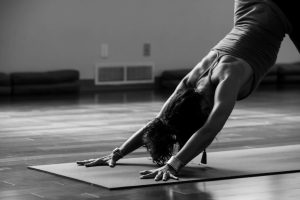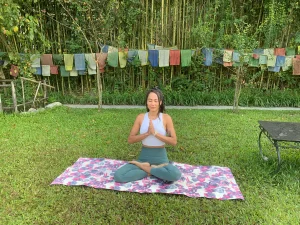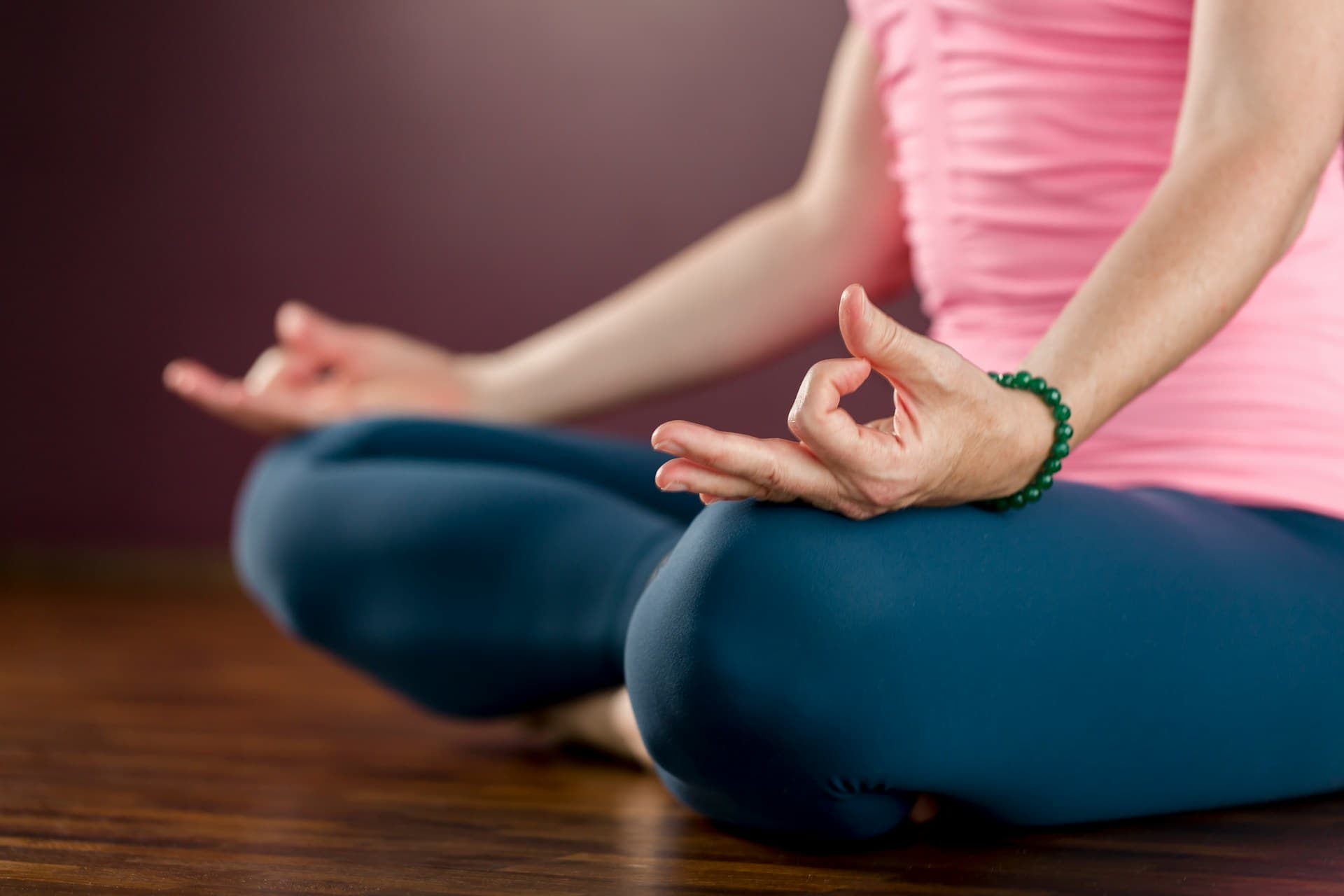
Picture a quiet room in Kathmandu at 6:10 on a cool morning. A laptop leans against a stack of books. A teacher says, “Let your exhale run a little longer than your inhale.” At the same moment, a student in Toronto is unrolling a mat at 7:25 the evening before, after a long day, and following the very same breath. Neither of them is in a studio. Both of them are in the class.
That is what online yoga classes in Nepal have become: a way for people inside the country to practise without a commute, and for people far outside it to learn from teachers who live where many of yoga’s contemplative traditions are still part of daily life.
This guide is for you if you are searching for a class and feel faintly overwhelmed by the options. It explains the formats, the styles, the realistic costs, the time-zone maths, the safety questions, and the quiet details that decide whether you stay with a practice or drop it after two weeks. It also explains where in-person study in Nepal fits, in case the screen turns out to be the first step rather than the whole journey.
What “Online Yoga Classes in Nepal” Actually Means
The phrase hides three different searchers, and the right class for one is the wrong class for another.
You live in Nepal. You might be in Kathmandu, Lalitpur, Pokhara, Biratnagar or a smaller town. You want a teacher who speaks your language, schedules classes around your day, and does not make you cross a traffic-choked city for an hour of stretching. For you, online yoga is about time and energy as much as yoga.
You live abroad. You may be a Nepali living in the Gulf, Malaysia, Australia, the UK or North America, or someone with no Nepali connection at all who wants teaching shaped by Himalayan traditions. For you, the question is partly trust: is this a real teacher with a real lineage and training, or a repackaged video?
You plan to come to Nepal. You are thinking about a retreat, a trek with yoga, or a teacher training, and you want to meet a teacher, learn the basic vocabulary and test your own commitment before booking flights. Online classes become a rehearsal.
Knowing which one you are changes everything that follows: the time slot you can realistically hold, the price you should expect, the level of correction you need, and whether a live class or a recorded one will serve you better.
Why Teachers in Nepal Draw Students From Around the World
Nepal’s relationship with yoga is old, layered and sometimes argued over. You will see bold claims about it being the birthplace of yoga. Historians and practitioners debate that, and a careful guide should not settle it for you. What is not in dispute is that Vedic, Tantric and Buddhist contemplative practices are woven into Nepali culture, that pilgrimage sites and meditation centres are part of ordinary geography, and that many Nepali teachers learn through the guru-to-student method rather than through a weekend certificate alone.
For a student, that tends to show up in three ways.
First, the class often covers more than posture. Breathing practice (pranayama), chanting, guided relaxation and meditation are treated as part of yoga rather than as add-ons.
Second, teaching leans toward the traditional styles. Hatha yoga and Ashtanga are common, and many teachers also offer Yoga Nidra, meditation and therapeutic work.
Third, accessibility. Many Nepal-based schools publish online rates in US dollars that international students find approachable, and several teach in English, Nepali and Hindi. That language flexibility matters more than people expect, particularly for older students and for families practising together.
None of this guarantees quality. A teacher’s location is not a credential. Later in this guide you will find a checklist for separating the excellent from the merely convenient.
Live, Private, Recorded or Cohort: Pick the Format Before the Teacher
Most people start by comparing teachers. A better first step is comparing formats, because the format decides how much correction you will receive, how accountable you will feel and what you will pay.
| Format | How it works | Best for | Watch out for |
|---|---|---|---|
| Live group class | A scheduled session on Zoom, Google Meet or similar, with a small to medium group | Beginners who want structure, community and a fixed rhythm | Large groups where the teacher cannot see everyone; late-entry rules |
| Private one-to-one | You and the teacher, at a time you agree | Injuries, specific goals, shy beginners, advanced technical work | Higher cost per session; quality depends entirely on one person |
| Recorded / on-demand | Pre-made videos you play whenever you like | Busy schedules, supplementing a live class, revisiting a sequence | No real-time corrections; easy to stop; hard to tell levels apart |
| Cohort course | A fixed-length programme (for example several weeks) with a set curriculum | People who want progression, philosophy and a finish line | Check the contact hours, the teacher’s role and what the certificate means |
A practical rule of thumb: if you are brand new, begin with a live group class or a short run of private sessions, because a teacher who can see you will catch the habits that are easiest to fix early. Add recorded practices later for the days you cannot attend. If you have a specific injury or condition, choose private sessions and tell the teacher before the first class.
Some schools restrict certain classes. One Pokhara-based ashram, for instance, offers its technical alignment, Mysore-style Ashtanga and post-training classes only as one-to-one sessions, while letting students choose between private and group for other subjects. That kind of rule is sensible: it shows the teacher knows which practices need closer eyes.
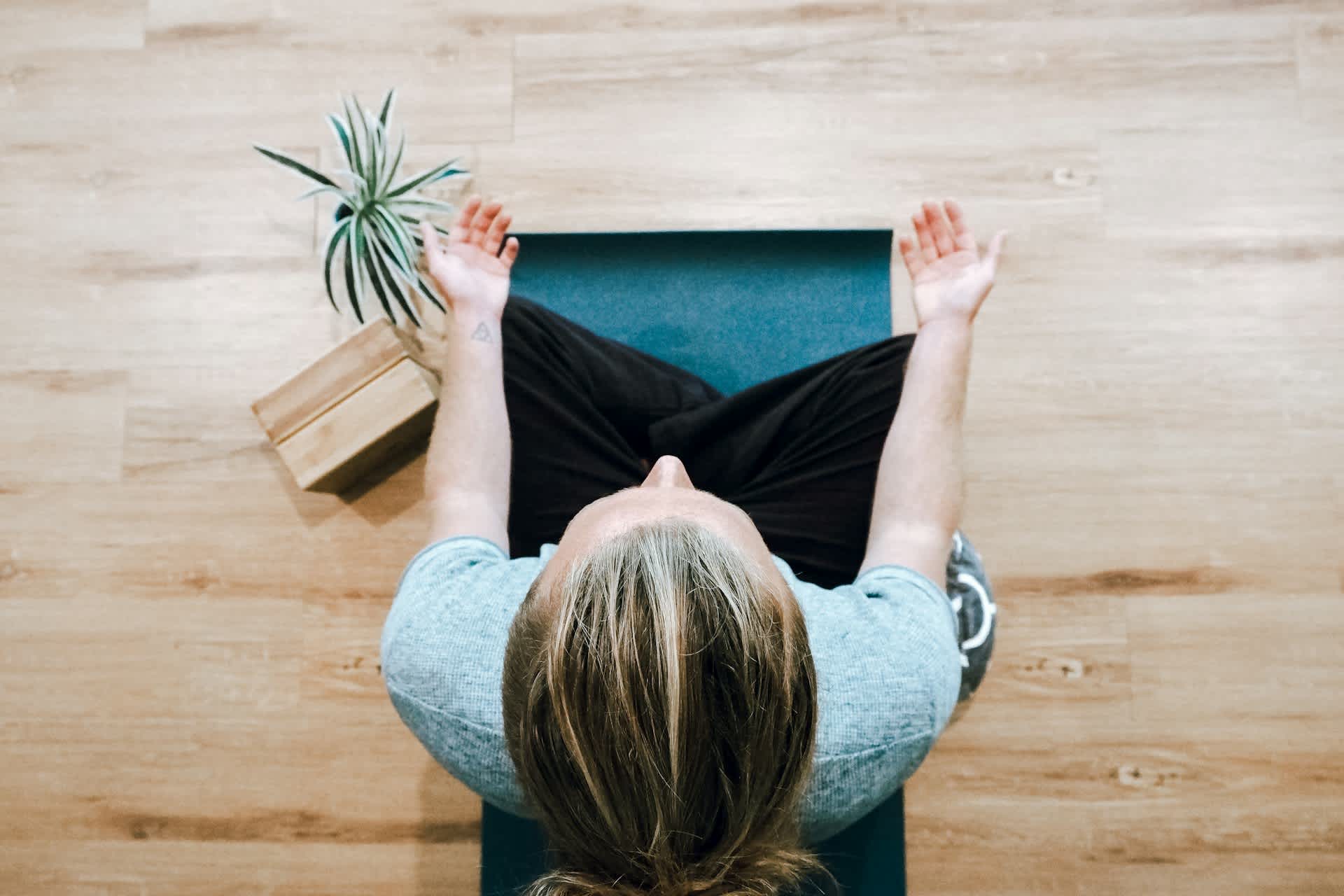
Yoga Styles You Can Realistically Learn Through a Screen
Not every style translates equally well to a laptop. Slow, breath-led and alignment-focused practices usually work beautifully online. Fast, complex sequences are harder to learn without a teacher watching closely.
| Style | Pace and feel | Good for | Online suitability |
|---|---|---|---|
| Hatha | Slow, steady, posture-by-posture with breath | Beginners, general fitness, stress | Excellent |
| Ashtanga (Mysore-style or led) | Fixed sequences, strong, disciplined | Students wanting structure and strength | Good with live feedback; easier one-to-one |
| Vinyasa flow | Flowing, breath-linked movement | Moderately fit students who like variety | Good with an experienced teacher |
| Yin | Long, passive holds on the floor | Tight hips, winding down, evening practice | Excellent |
| Restorative | Fully supported rest with props | Fatigue, stress, recovery | Excellent |
| Yoga Nidra | Guided deep relaxation lying down | Sleep trouble, nervous-system rest | Excellent |
| Pranayama | Breathing techniques, seated | Focus, calm, preparing for meditation | Excellent when taught carefully |
| Prenatal / postnatal | Gentle, adapted movement | Pregnancy and recovery, with medical approval | Good with a specialist teacher |
| Therapeutic | Individualised, gentle | Back and neck discomfort, specific conditions | Best one-to-one |
| Kids and teen yoga | Playful, story-led | Children and study stress | Good with a parent nearby |
If you want to understand the traditional backbone behind many Nepal-based classes, it helps to read about Hatha yoga teacher training in Nepal, which sets out how Hatha is approached in a teaching context. If you are drawn to the discipline of fixed sequences, this beginner-oriented explanation of the Ashtanga series for beginners shows what the method asks of a student before you commit to it.
A small piece of advice from the teaching side: do not choose a style because it looks impressive on social media. Choose it because you can picture yourself doing it on a Tuesday when you are tired. Consistency beats intensity almost every time.
What Online Yoga Classes in Nepal Cost
Prices vary widely, and many pages do not state them clearly, which is itself a warning sign. Here are published examples from Nepal-based schools, offered to give you a sense of range rather than a rate card. Rates change, so always confirm directly.
| Example (published by Nepal-based schools) | Listed price | What to clarify |
|---|---|---|
| Monthly plan from a trek-and-healing operator | $120 for 24 classes | Class length, level, recording access |
| Half-month plan from the same operator | $84 for 12 classes | Whether it renews automatically |
| One-to-one and group rates from a Pokhara-based ashram | $20 (one-to-one) and $15 (group) | Whether the figure is per session, per week or per package |
Do the sum yourself. The monthly plan above works out to about $5 per class, and the half-month plan to $7 per class, so the larger package is cheaper per session. When a price is listed without a unit, ask. “Is that per class, per week or per month?” is a polite question and a necessary one.
What usually moves the price:
- Private versus group. One-to-one time costs more because the teacher’s attention belongs to you alone.
- Teacher experience and credentials. More training and teaching hours generally mean higher rates, though not always better teaching.
- Class length. A 45-minute class and a 90-minute class are different products.
- Whether recordings are included. Access to replays has real value if you travel or have a shifting schedule.
- Currency. Many schools quote in US dollars for international students. If you live in Nepal, ask whether a local-currency rate is available, and ask which payment methods they accept, including bank transfer and Nepali digital wallets.
Beware of the opposite problem too. A price far below the market, with promises of “certification” attached, deserves extra scrutiny.
Time Zones: The Practical Detail Most Pages Forget
Nepal Standard Time is UTC+5:45, one of the few offsets that carries a 45-minute tail. That quirk catches students out, so the table below uses standard time. Daylight saving changes the gap by an hour in places that use it.
| Your location | Difference from Nepal (standard time) | A 6:00 PM class in Nepal is… |
|---|---|---|
| India | Nepal is 15 minutes ahead | 5:45 PM |
| UAE | Nepal is 1 hour 45 minutes ahead | 4:15 PM |
| Qatar / Saudi Arabia | Nepal is 2 hours 45 minutes ahead | 3:15 PM |
| Malaysia / Singapore | Nepal is 2 hours 15 minutes behind | 8:15 PM |
| Japan | Nepal is 3 hours 15 minutes behind | 9:15 PM |
| Australia (Sydney, standard time) | Nepal is 4 hours 15 minutes behind | 10:15 PM |
| UK (GMT in winter) | Nepal is 5 hours 45 minutes ahead | 12:15 PM |
| US Eastern (EST) | Nepal is 10 hours 45 minutes ahead | 7:15 AM |
| US Pacific (PST) | Nepal is 13 hours 45 minutes ahead | 4:15 AM |
Two practical lessons come out of this table.
Gulf and UK students tend to find Nepal’s evening classes land at a comfortable midday or afternoon slot. North American students often prefer Nepal’s evening class, which lands in their early morning, because a morning practice before work is easier to protect than a late-night one. Australian and East Asian students are well placed for Nepal’s morning slot.
Before you pay, ask the school to confirm the class time in your own city for the dates you will be attending, particularly around the weeks when clocks change. Time zone confusion is one of the most common reasons new students miss their first class.
Setting Up Your Space and Your Connection
You do not need a studio. You need a few square metres, a steady connection and a camera angle that lets the teacher see your whole body.
Space. Aim for the length of your mat plus an arm’s reach on each side. Clear low tables and loose rugs. If you share a room, tell the people you live with when class starts. A closed door and a small note taped to it work better than good intentions.
Camera. Place the device so that the teacher can see you from head to feet when you are standing and lying down. Landscape orientation usually works best. Many schools ask students to keep the camera on during practice so that posture can be observed and corrected, and that rule is worth accepting because correction is the main advantage of a live class over a video.
Sound. Mute yourself unless you are asking a question. Headphones help you hear soft instructions, especially in breathing and relaxation practices.
Props. A mat is enough to begin. Add two blocks and a strap when you notice you need them. A firm cushion and a folded blanket cover most of the early gaps.
Connection. Nepal’s connectivity has grown quickly, but it is uneven. Roughly 16.6 million Nepalis were using the internet by late 2025, according to DataReportal’s Nepal digital snapshot, against about 32.4 million mobile connections. That gap tells a story: for many people, a phone is the main or only gateway, and a fixed fibre line is not guaranteed. If you rely on mobile data, do a quick test run on the platform before your first class, keep your phone charged, and have a backup option such as a second SIM or a hotspot. If the connection drops mid-class, rejoin quietly and continue; most teachers would rather see you return than disappear.
Heavy weather, power cuts and local network problems can interrupt a session. A good school will have a clear policy for rescheduling. Ask about it before you pay.
Your First 30 Days: A Framework That Survives Real Life
Most people do not quit yoga because it is hard. They quit because the first week was bright and the third week was busy. A plan helps, particularly one that expects a few missed days.
Week one: show up and be average. Attend two or three classes. Your only job is to get used to the platform, the teacher’s voice and the shape of the session. Do not judge your flexibility. Do notice how you feel afterwards.
Week two: build the anchor. Choose the same days and times, and treat them like a meeting you would be embarrassed to miss. Put the mat where you can see it. Prepare the room ten minutes earlier, not one.
Week three: add breath. If your teacher includes pranayama or a short meditation, give it your full attention. Slower breathing is often where students first feel the benefits. If you want a simple way to understand the attention side of practice, the explanation of mindfulness gives a plain-language starting point for the meditation portion of class.
Week four: review honestly. Ask yourself three questions. Do I look forward to class most days, or dread it? Do I feel safe in the teacher’s hands? Is the schedule sustainable? If the answers are poor, change the class, not your sense of yourself.
Beginner or advanced: where do you sit?
You are a beginner if you cannot yet name the main standing postures, if breath coordination feels awkward, or if you have not practised regularly for months. Start with Hatha, Yin or restorative classes, and tell the teacher you are new.
You are intermediate if you can hold standing postures comfortably, understand basic alignment cues and practise at least weekly. Consider Vinyasa, a more structured Hatha class or an introductory Ashtanga class.
You are advanced if you have a regular practice, understand breath and bandha concepts, and want refinement rather than instruction. Private sessions with a teacher who can see your detail will serve you better than a large group.
Common mistakes in the first month
- Choosing a class based on the cheapest price alone.
- Practising on a slippery floor without a mat, or on a thick bed.
- Skipping the warm-up because the class “looks easy.”
- Turning the camera off the moment a pose feels embarrassing.
- Pushing into pain because someone else in the group appears to manage.
- Changing teachers every week and never building a relationship.
- Treating the first missed class as failure instead of as data.
Is Online Yoga Safe, and What Does the Evidence Say?
Yoga is generally considered low-impact and safe for healthy people when practised appropriately, and serious injuries are uncommon. The U.S. National Center for Complementary and Integrative Health (NCCIH) summarises the research in its overview of yoga’s effectiveness and safety. Its findings are worth knowing, partly because they are modest rather than miraculous.
On stress, NCCIH notes that of 17 older studies included in a 2014 review, 12 showed improvements in physical or psychological measures related to stress. On low-back pain, the evidence points to a slight benefit: a 2022 review of 21 studies found yoga slightly better than no exercise, and a 2020 report from the Agency for Healthcare Research and Quality found improvements in pain and function in the short and intermediate term. NCCIH also notes that the American College of Physicians’ 2017 guideline recommends non-drug approaches first for chronic low-back pain.
Read that carefully. The honest summary is that yoga can help with stress and some kinds of pain, that the benefits are often small to moderate, and that it works best as part of a wider approach to health. It is not a replacement for medical treatment.
If stress is the main reason you are searching, the article on stress management by yoga asana offers an accessible way into the connection between posture, breath and nervous-system calm.
Online-specific safety points:
- Talk to your doctor first if you are pregnant, recovering from surgery, living with high blood pressure, eye conditions such as glaucoma, a heart condition, or chronic pain. Inversions and forceful breathing practices need particular care.
- Tell the teacher before class, not during it, about injuries, medications and anything that makes certain movements unsafe.
- Stay within your own range. A teacher who cannot touch you cannot rescue a deep stretch. The responsibility to stop belongs to you.
- Be wary of dramatic health claims. Any teacher who promises to cure diabetes, depression or cancer through yoga is overstepping.
- Know when online is not enough. Complex injuries, advanced inversions, hands-on adjustments and detailed rehabilitation benefit from in-person assessment.
How to Vet an Online Yoga Teacher in Nepal
A confident-looking website is not evidence of competence. Before you pay, run through this checklist.
- A named teacher with a visible background. Look for their training, years of teaching and lineage. Anonymous “our team” pages tell you little.
- Verifiable credentials. Yoga Alliance maintains a public directory of registered schools and teachers, which you can search at yogaalliance.org. Registration signals that a school or teacher meets certain training standards. It is not a measure of teaching skill, but it is a useful baseline.
- A published schedule and price. If it takes three messages to learn the price, expect similar friction later.
- A trial class or consultation. A good teacher is happy to let you see their style first.
- A clear cancellation and rescheduling policy. Some schools make payments non-refundable and non-transferable, which is not unreasonable, but you should know before you pay.
- Small enough groups for corrections. Ask how many students typically attend.
- Health screening. A responsible teacher asks about injuries and conditions. A teacher who does not is cutting corners.
- Reviews from real people. Look for specifics such as what the student learned, not only five-star adjectives.
- Reachability. WhatsApp or email responses within a reasonable time matter more than polished branding.
- Fit. After a trial, notice whether you feel calmer and safer, or hurried and judged.
Trust your own reaction. If something feels off in the first fifteen minutes, it usually is.
Can You Do a Yoga Teacher Training Online?
Many people begin with classes and end up wondering about teacher training. The honest answer is that it depends on what you want the certificate to do.
Yoga Alliance has changed its rules about online and hybrid training over the years, and the details have been revised more than once. Because requirements change, always check the current standards on the Yoga Alliance website and ask the school directly how many hours are taught live, how many are self-study, and whether its programme qualifies you to register as a teacher. Be wary of any school that is vague about this.
A few distinctions help:
- A certificate of completion from a school and registration with Yoga Alliance are different things.
- A cheap online course may be excellent for personal learning and still not meet registration requirements.
- Practicum, the part where you teach and receive feedback, is the hardest part to replicate online. Ask how the school handles it.
If you are weighing an in-person route, the 200-hour yoga teacher training page at Nepal Yoga Institute shows how a residential programme is structured, which gives you a useful point of comparison when you assess online options.
Where Nepal Yoga Institute Fits In
Some students discover that a screen can carry them a long way and then, quite naturally, begin to wonder what it would be like to practise in the place the teaching comes from. That is where an in-person school becomes relevant.
Nepal Yoga Institute is a residential yoga school in Budhanilkantha, on the northern edge of Kathmandu, and describes itself as a Yoga Alliance USA registered school. According to its website, it sits about 22 kilometres from Tribhuvan International Airport and 24 kilometres from Thamel, below Shivapuri National Park. Its programmes include 200-hour yoga teacher training, Hatha and Ashtanga teacher training, five-day and long-term retreats, stress-management packages, corporate programmes and psychological counselling.
It is worth being clear about one thing: the programmes the institute publishes on its website are in-person ones. If you are specifically looking for live online classes, the best approach is to contact the team directly and ask what is currently available, rather than assume. That honesty serves you better than a vague promise.
What the institute can offer, particularly to a student who has been practising online, is the experience that a screen cannot give. Its about page describes a school built around traditional practice, and the daily schedule published in its FAQ gives a flavour of residential life: early-morning cleansing practices, mantra chanting, asana, pranayama and meditation, theory classes, rest, and evening practice. Meals are sattvic and vegetarian, yoga mats and props are provided, and the site mentions free Wi-Fi for use during free time.
The school was founded by Dr. Bal Krishna Khanal, who holds a Ph.D. in Yoga and Naturopathy from Nepal Sanskrit University, with research on stress management through yoga and naturopathy. His biography also lists a Post-graduate qualification in psychological counselling from Tribhuvan University and registration as a yoga teacher with Yoga Alliance. Knowing who leads a school, and what their training looks like, is exactly the kind of transparency worth looking for when you choose any teacher.
For people who cannot commit to a month-long course, the five-day yoga retreat programme is described as designed for busy schedules, combining yoga, meditation and natural health in a short stay. A short retreat can also be a good way to test whether residential practice suits you before planning anything longer.
A sensible path for many students looks like this: begin with a few months of online practice to build the habit and learn the vocabulary; speak with a school about what you want; then decide whether a short retreat or a longer training makes sense. The screen is not a lesser version of the real thing. It is a different tool, and the two can complement each other.
FAQs about Online Yoga Classes in Nepal
1. Are online yoga classes in Nepal live or recorded?
Both exist. Live classes run at scheduled times on platforms such as Zoom or Google Meet, so the teacher can see and correct you. Recorded classes are pre-made videos you play whenever you like. Many schools offer live groups and private sessions, and some add recordings. Ask which one your plan includes.
2. Can I join online yoga classes in Nepal from another country?
Yes. Many Nepal-based teachers teach students in India, the Gulf, Australia, Europe and North America. The main practical issue is time zone, so confirm the class time in your own city before paying, especially around daylight saving changes.
3. What time zone do online yoga classes in Nepal use?
Most use Nepal Standard Time, which is UTC+5:45. Some schools offer extra batches for the US or Europe, and private sessions can usually be scheduled at a time that suits you both. Always ask for the time in your own location in writing.
4. How much do online yoga classes in Nepal cost?
Published examples from Nepal-based schools include a $120 monthly plan for 24 classes and an $84 plan for 12 classes, with one-to-one and group rates listed by another school at $20 and $15. Prices change and units differ, so confirm what the figure covers.
5. Are online yoga classes good for beginners?
Yes, if you choose a beginner-friendly style such as Hatha, Yin or restorative, and tell the teacher you are new. A live class with the camera on is better than a recording for beginners because someone can correct early mistakes.
6. Do I need a yoga mat for online classes?
A mat is recommended, because it gives grip and cushioning. If you do not have one yet, a firm, non-slip surface and a folded blanket can work temporarily. Blocks, a strap and a cushion are useful extras but not essential for week one.
7. What equipment do I need besides a mat?
A phone, tablet or laptop with a working camera, a stable internet connection, and a quiet space. Headphones help in breathing and relaxation practices. Add blocks, a strap and a blanket as you notice what your body needs.
8. Is online yoga as effective as in-person yoga?
For stress, general fitness and learning the basics, online yoga can work well. Research summarised by NCCIH suggests yoga helps with stress and offers a slight benefit for low-back pain, though most studies are not specific to online delivery. Complex injuries and advanced techniques benefit from in-person guidance.
9. Which yoga style is best for stress?
Hatha, Yin, restorative yoga, Yoga Nidra and slow pranayama are commonly chosen for stress because they emphasise slow movement, longer holds and breath. The best style is the one you will actually practise regularly, so try a trial class.
10. Can I practise online yoga if I have back pain?
Many people do, but speak to your doctor first and choose a teacher experienced with therapeutic work. Private sessions are usually safer than a large group because the teacher can adapt each posture. Stop any movement that increases pain.
11. Is online yoga safe during pregnancy?
Only with medical approval and a teacher trained in prenatal yoga. Some postures and breathing practices are unsuitable during pregnancy. Tell the teacher your stage of pregnancy before class and follow your doctor’s advice over any instruction from a screen.
12. Can children and teenagers join online yoga classes?
Yes. Some schools run kids and teen classes with stories, games and simple postures. A parent or guardian should be nearby, the space should be safe, and the class length should suit the child’s attention span.
13. Do online yoga classes in Nepal teach in Nepali or English?
Both are available. Some schools teach in English, Nepali and Hindi, and individual teachers may offer additional languages. If language matters to you, ask before booking, and request a trial class to check the teacher’s clarity.
14. Do I have to keep my camera on?
Many live classes require it so the teacher can observe posture and give corrections. If you feel uncomfortable, ask the teacher about alternatives such as a different camera angle or a private session. Mute your microphone unless asking a question.
15. Can I get a yoga teacher certificate online?
Some schools issue online certificates, but whether they qualify you to register with Yoga Alliance depends on the school’s status and the rules in force at the time. Ask for a contact-hour breakdown and check the current standards on the Yoga Alliance website.
16. How do I know a yoga teacher in Nepal is genuine?
Look for a named teacher, a visible training background, a published schedule and price, a trial class and real reviews. Yoga Alliance’s public directory lets you verify registration. No credential guarantees good teaching, so trust your experience in the trial class too.
17. How often should I attend online yoga classes?
For beginners, two to three sessions a week is a manageable starting point. Consistency matters more than volume, so choose a frequency you can sustain through busy weeks. Add short home practices only after you feel comfortable with the basics.
18. What if my internet drops during class?
Rejoin as soon as you can and carry on quietly. Keep a backup such as a hotspot or second SIM. Ask the school about its policy for missed or interrupted classes and whether recordings or make-up sessions are available.
19. Can I combine online classes with a visit to Nepal?
Yes, and many students do. Online classes help you learn the basics and meet a teacher before travelling. Then you can attend a short retreat or a longer course in person. Ask the school how it prefers to handle students who begin online.
20. How do I choose between online classes and an in-person yoga school in Nepal?
Choose online for flexibility, cost and routine. Choose in-person when you want immersion, hands-on adjustments, residential learning or a full teacher training. Many students use both. Speak to a school about your goals and ask what fits your situation.
Ready to Take the Next Step?
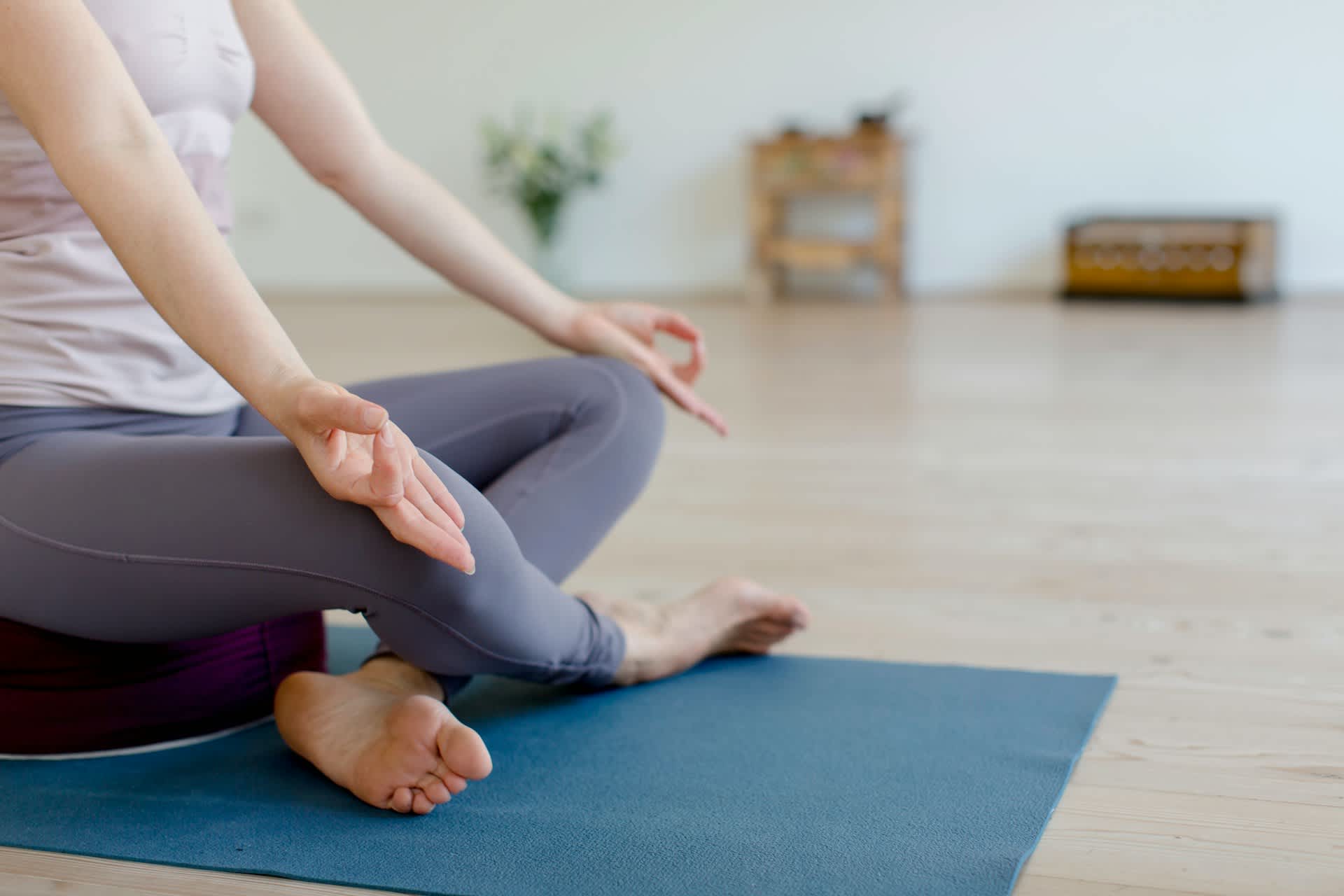
Whether you are rolling out a mat in Kathmandu, Doha, Sydney or Toronto, the best class is the one you can attend, trust and enjoy repeating. Take a trial, ask the awkward questions about price and time zones, and notice how your body feels afterwards.
If you would like to talk to a school that teaches in the place where these traditions are lived, get in touch with Nepal Yoga Institute to ask about current programmes, retreats and what may be available for you.